
Live the Questions Now
Step inside the living learning communities and discover more about the daily experience of a Montserrat student.
The educational journey at Holy Cross begins with Montserrat, a dynamic introduction to the liberal arts that blurs the boundaries between classrooms, residence halls and cocurricular activities.
Montserrat is an innovative program for first-year students that provides a dynamic introduction to the liberal arts through a rigorous, multi-dimensional academic experience. The seminar — a small, yearlong class in which students work closely with their peers and professor — lies at the heart of the program. Students explore broad themes through a variety of academic disciplines, engage in self-reflection and community-building, and develop the writing, speaking and critical thinking skills necessary for success in their Holy Cross education and life after graduation.
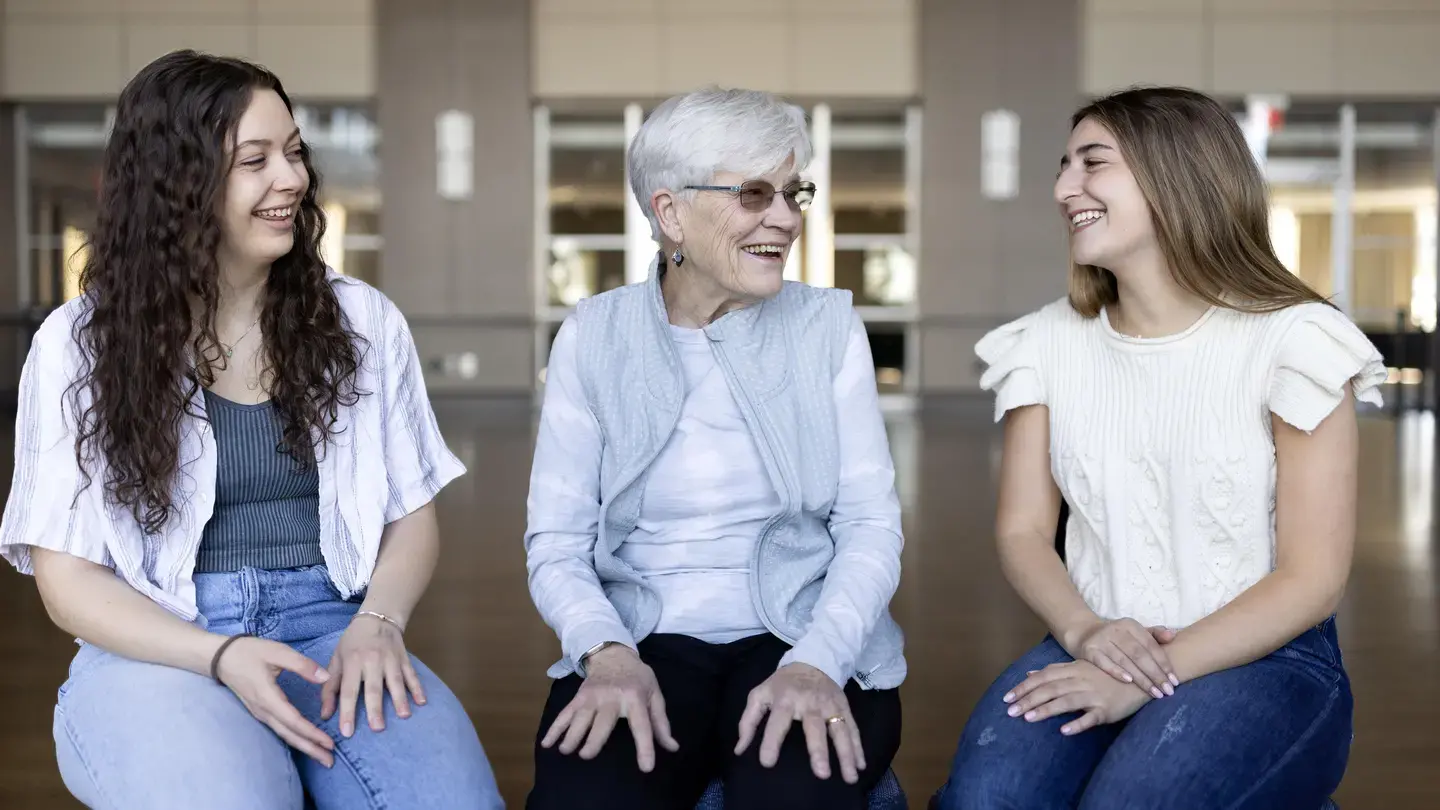
It’s mind-boggling to think that all of this, all of my experience, my life-changing decisions, came from my Montserrat.
Our theme for this year is imagining being “for and with others.” Our cluster acknowledges that our Jesuit Mission challenges us to live lives in service of and in solidarity with others, but what does this actually entail? What structural, cultural, ethical, epistemic and historical challenges exist that might restrain our ability to enact this call to its fullest? Through explorations of history, literature, music, emotion and science we seek both positive models of cura personalis as well as interventions into the contemporary challenges to this mission. We will ask essential questions, such as: What systemic and cultural obstacles to this goal can different disciplines identify and address? How can narrative, lived experience, and art help us understand the challenges of the past to build a community of the future? How can the pursuit of more diverse and inclusive institutions support the Jesuit mission? How can developing a scientific understanding of contemporary challenges — and probing the nature of science itself — help lead us to possible solutions? How can cultural literacy help us see commonality as well as distinction? Ultimately, what the contemporary challenges cluster aims to explore is what we owe one another as we try to live for and with each other.
In Letters to a Young Poet, Rainer Maria Rilke counsels a fellow aspiring writer to “be patient toward all that is unsolved in your heart and try to love the questions themselves … Live the questions now” (1993, p. 27). Seminars in the Core Human Questions cluster invite students to love and live the questions that are at the heart of human experience and the center of a liberal arts education. Drawn from the disciplines of literature, philosophy, psychology, and sociology, our seminars pose the questions that are at the core of human life: What does it take to be human? What constitutes a life of meaning? And how should we live as individuals and in relation to others? More specifically, our seminars encourage students to explore the experience of human life by asking what is possible in this weird and wonderful world of ours; what a well-lived life looks like; how we move through the world as mindful and embodied humans; what it means to welcome the stranger or speak as an outsider; and how histories and futures make human life meaningful. By asking such questions, students will challenge taken-for-granted notions about what makes us who we are and how we should live together in this world.
The theme for the Divine Cluster in 2026-2027 is Encounter. We offer “encounter” as a framework for considering the depth of meanings in concepts like "divine," "transcendent," and "spiritual." A focus on “encountering” calls us to the understanding that human beings are unique individuals who also exist in solidarity and interdependence with the world around us. Divine Cluster courses draw on religious, scientific, philosophical, cultural, and artistic perspectives, encouraging students to reflect on theological traditions, ethical teachings, and cultural practices and artifacts to examine interrelated questions. How can experiences of the mind and the body, relationships and self-reflection, or response to injustice and war within societies be vehicles for approaching the divine? How do religious narratives shape how people give meaning to those experiences? How do we encounter and act in solidarity with each other and the vulnerable members of our society? The seminars and co-curricular cluster events will call you to encounter ideas and people (in many cases through Community-Based Learning) that open up a deeper exploration of what is divine.
The Global Society Cluster explores the push and pull of globalization and anti-globalization from multiple perspectives. What do these terms mean for individuals in a given time or place, for instance in Worcester today? How do individual experiences intersect with much broader forces? Together, through various approaches across disciplines including visual arts, literature, political science, anthropology, and history, we will examine how individuals have navigated cultural differences, and how communities around the globe experience personal, political and social change. Whose voices and stories often prevail? Whose have often been buried? In what ways do we find the past in the present? Our seminars will incorporate works by artists and scholars from a range of geographical regions. Cluster co-curricular activities will encourage building community and new perspectives through dialogue and active listening, as we reflect on our shared responsibilities as global citizens. Students in the cluster will also have opportunities to explore local cultural institutions and organizations in and around Worcester as we consider the city’s global reach.
Our world is one of fast-paced human and environmental change, although it has not always been this way. We have inherited institutions, structures, economies, and systems that have indelibly shaped our landscapes and waterscapes, sometimes in exploitative ways. This cluster examines the diverse ways humans have interacted with their surroundings through time and space, as well as the relationships and beliefs that have been developed around nature and the environment. The Natural World cluster seminars pursue shared questions from a range of disciplinary perspectives including literature, history, philosophy, mathematics, economics, visual arts, classics, and environmental studies. Over the course of the year, seminars will explore broad questions about the human relationship to the natural world, including: How can we (re)examine our ideas, values, and behaviors as we engage with the natural world? How can these efforts help foster our understanding and inspire us to become more reflective and active participants in the natural world?
Each of us experiences the world as a being who is embodied, self-aware, reflective, and connected with others. This “self” must make choices about how to live and how to face challenges, both individually and collectively. How does our sense of self emerge from our psychologies, our narratives, our personal and collective histories, our cultural and institutional contexts, and our relationships with others? How does the self find meaning and purpose as it navigates interwoven and often conflicting sources and modes of identity, thought, and expression? What factors enable, complicate, or undermine processes of self-formation and authentic connection? The Self Cluster seminars will pursue these shared questions from a range of disciplinary perspectives including cognitive science, developmental psychology, education, history, philosophy, religious studies, community engagement, embodied practices, and visual and performing arts. The seminars and co-curricular cluster events will call students to engage with ideas, people, and communities that invite a deeper exploration of the self.
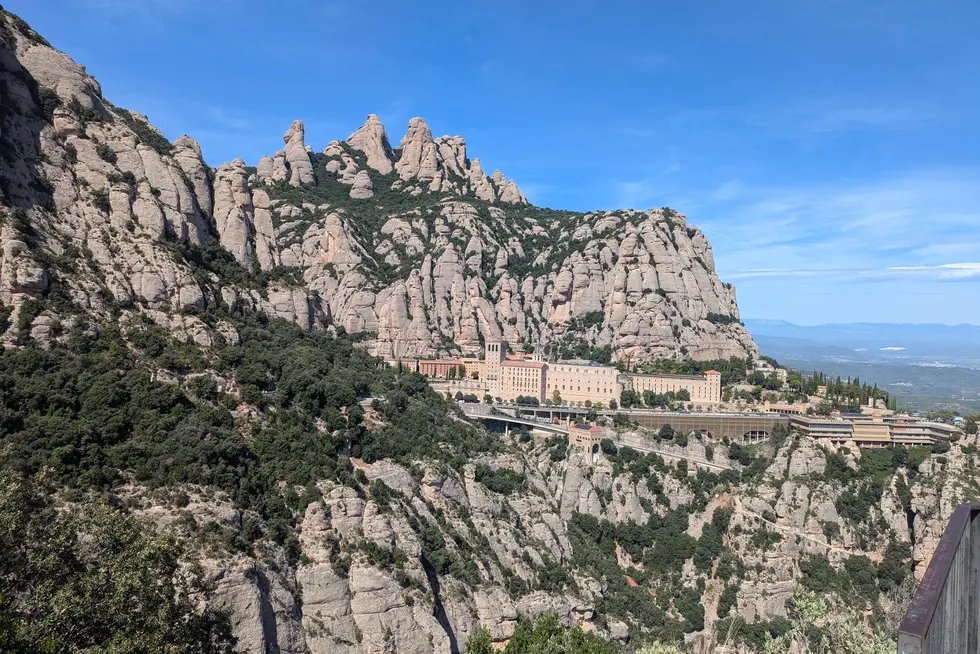
In 1522, St. Ignatius of Loyola, the founder of the Jesuit order, chose the Spanish mountain of Montserrat as the place to lay down his soldier's weapons and begin a new life devoted to study, teaching, service, faith and purpose. Just as St. Ignatius climbed the mountain it is named for, the Montserrat program gives you the chance to climb your own mountain in a journey of academic exploration and self-discovery.
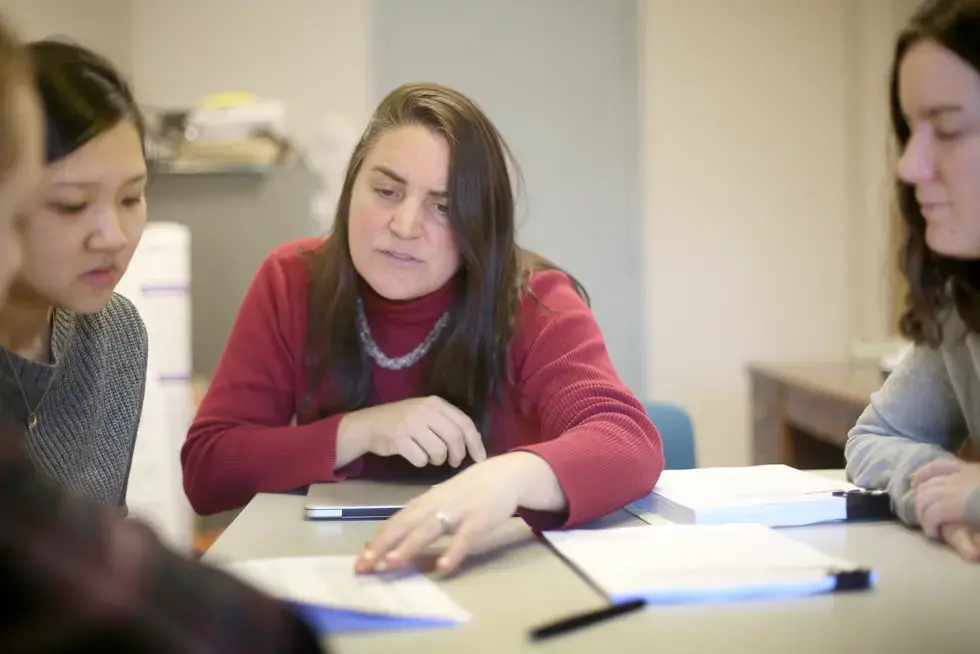
Every year, we award the Montserrat Writing Prize, a value of $300, to three students. The competition is open to all current Montserrat students. Submissions are limited to one piece of writing produced in a Montserrat seminar per student and may include essays, creative writing, film reviews, scientific reports, and reflections, to name a few. Current Montserrat students should submit their work by the last day of classes in the spring semester. Winners will be announced and prizes will be distributed at the beginning of the subsequent fall semester. We are thankful to an anonymous donor for the funds to support the prize.
Montserrat gives every entering student a “jumpstart” on exploring intellectual life at Holy Cross. By participating in small, interdisciplinary seminars at the start of their college careers, students have the chance to interact closely with faculty, staff and other students to create mentoring relationships that will grow stronger over their four years here. In addition to better integrating academic and social life, Montserrat provides intensive development in critical thinking and communication skills and ensures that students are engaging with serious intellectual and moral questions early in their time at Holy Cross. These skills and intellectual experiences will enhance every student’s chosen course of study, no matter what their major or career goals.
You can use the new Montserrat Seminar Exploration Tool to help guide you through the process of identifying different yearlong seminars of interest, by making suggestions based on your interests and prompting you to consider new topics. This tool is solely for exploring Montserrat seminar options - it is not linked to the official course registration process. You must submit your Montserrat seminar preferences to the Registrar via our Student Academic Records system (STAR) beginning May 26 through June 12. Remember that you are not ranking your selections in any particular order, but rather indicating an interest in all six possible seminars. It is essential that you review the course descriptions carefully as you will be in one of these courses for the full academic year. The Registrar will enroll you in one of your six preferred seminars by July 8, 2026.
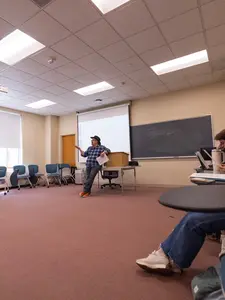
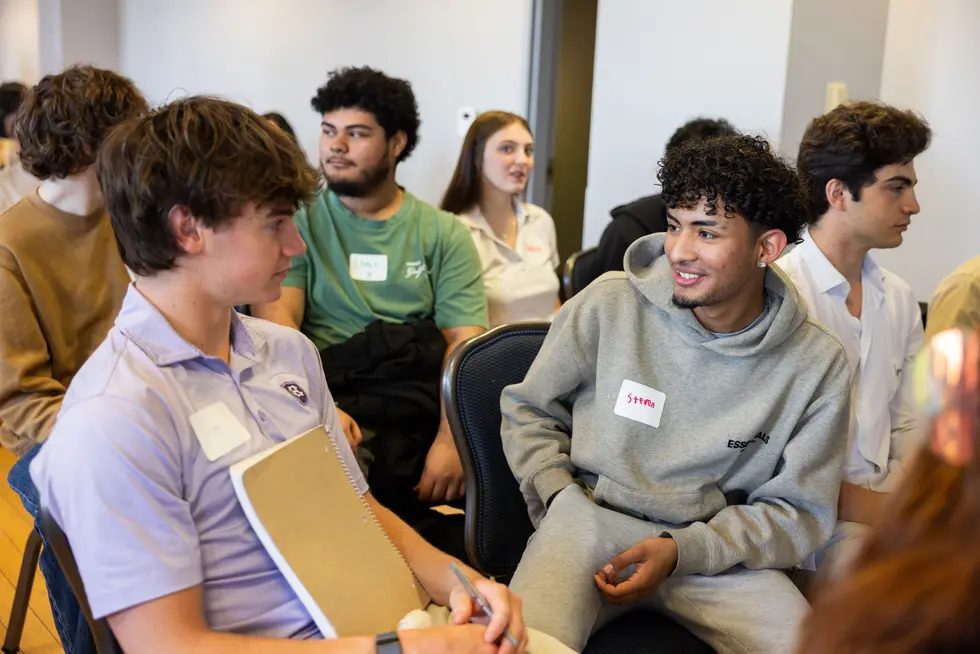
Montserrat seminars are taught as a yearlong, two-semester sequence, typically by one professor. These individual seminars of 14-16 students are grouped into six different thematic clusters (Contemporary Challenges, Core Human Questions, Divine, Global Society, Natural World, and Self). Faculty organize co-curricular events that develop each cluster's annual theme and bring first-year students together to enhance their seminar experiences and build community. Students also live together in the first-year residence halls to facilitate the discussion of ideas in informal settings outside class and to cultivate meaningful relationships with peers.
Your yearlong Montserrat seminar counts for two courses (one each semester) toward your Holy Cross graduation requirement, as well as one Common Requirement. Please pay attention to which common requirement your selected Montserrat seminars fulfill. For example, if you are planning to take courses in Economics or Psychology during your first year at Holy Cross, you may want to select Montserrat seminars that fulfill a common requirement other than Social Science. If you are interested in trying something new, Montserrat seminars are a great opportunity to explore the liberal arts curriculum and dive into topics that pique your curiosity.
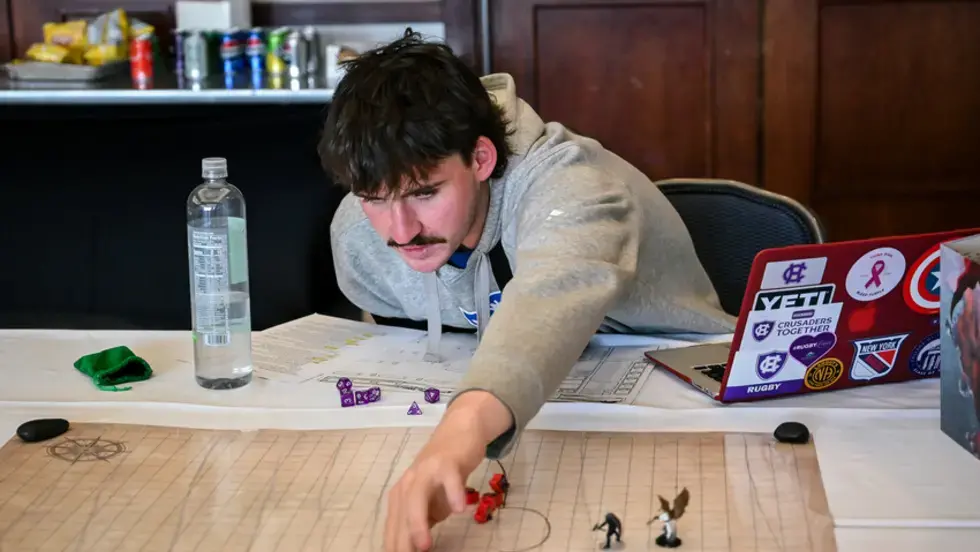
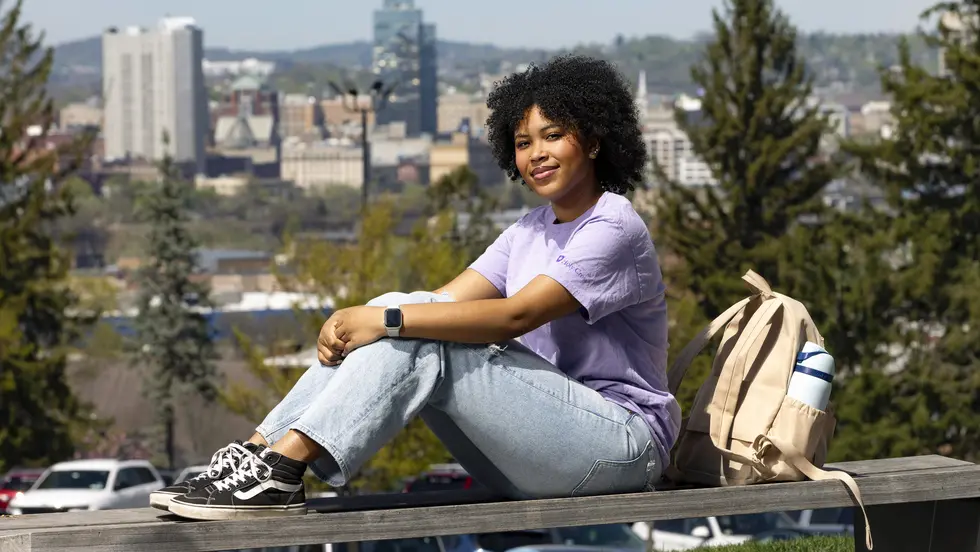
Montserrat gives faculty a unique opportunity to engage students in the core pillars of a Holy Cross education from their first days on campus through graduation and beyond. Through close mentoring and advising, instructors often help students achieve meaningful breakthroughs — from rethinking career paths to refining academic and professional goals — while also connecting them to internships and career opportunities.
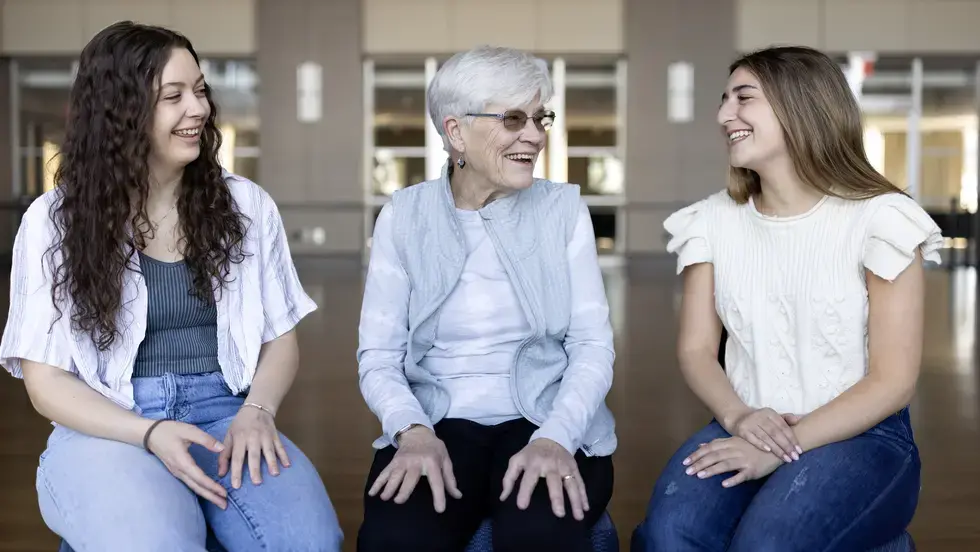
Some Montserrat instructors even host reunions with former students to continue that connection throughout their time on The Hill.
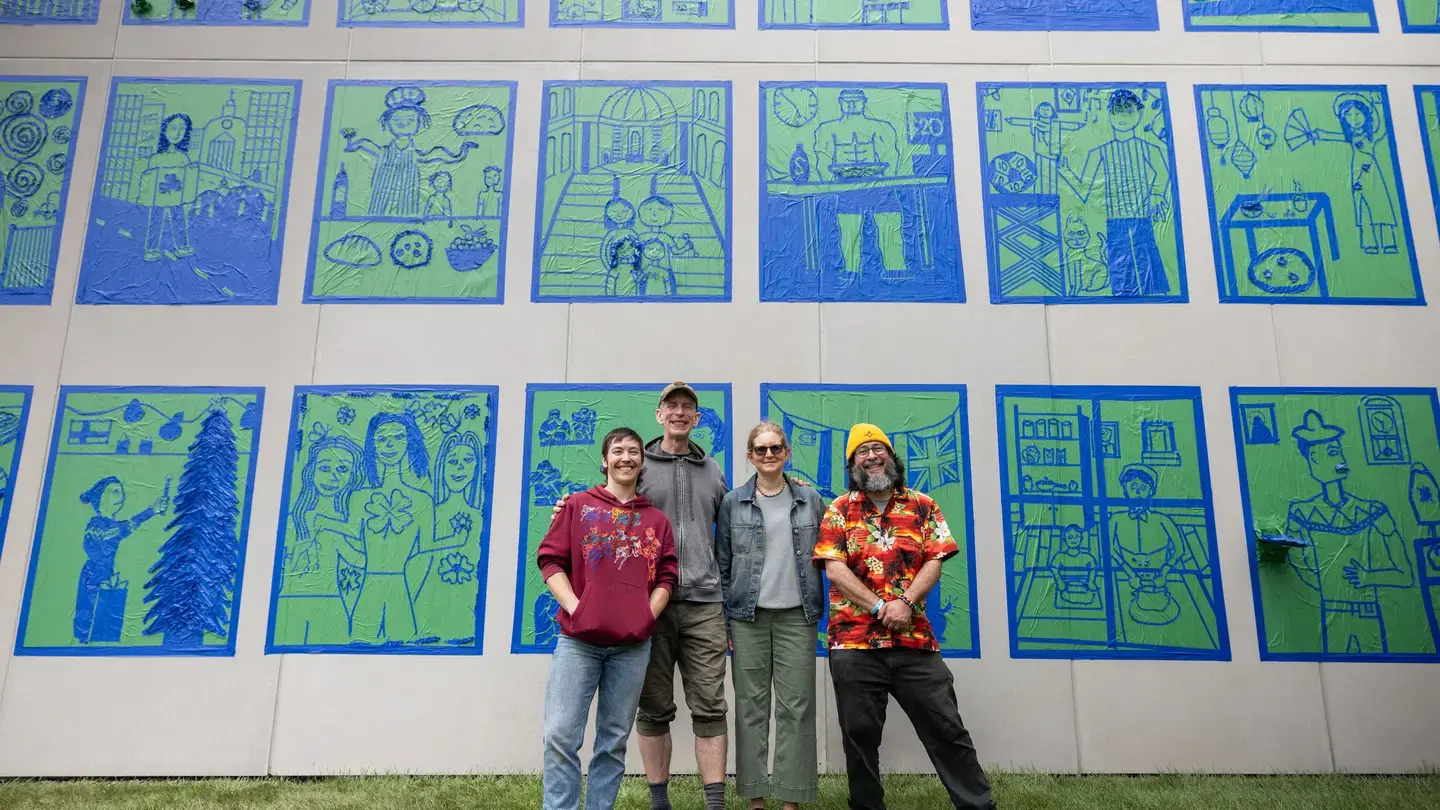
As a member of the Global Cluster, I also experienced just how rewarding interdisciplinary collaboration among faculty can be. I thoroughly enjoyed finding common ground with and learning from colleagues in departments across the College.