
Studio Art
Areas of Study
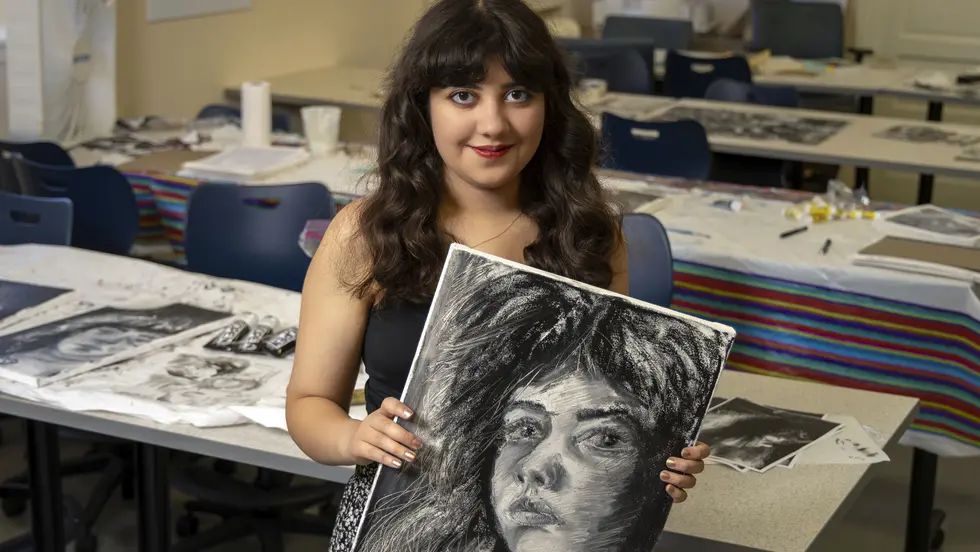
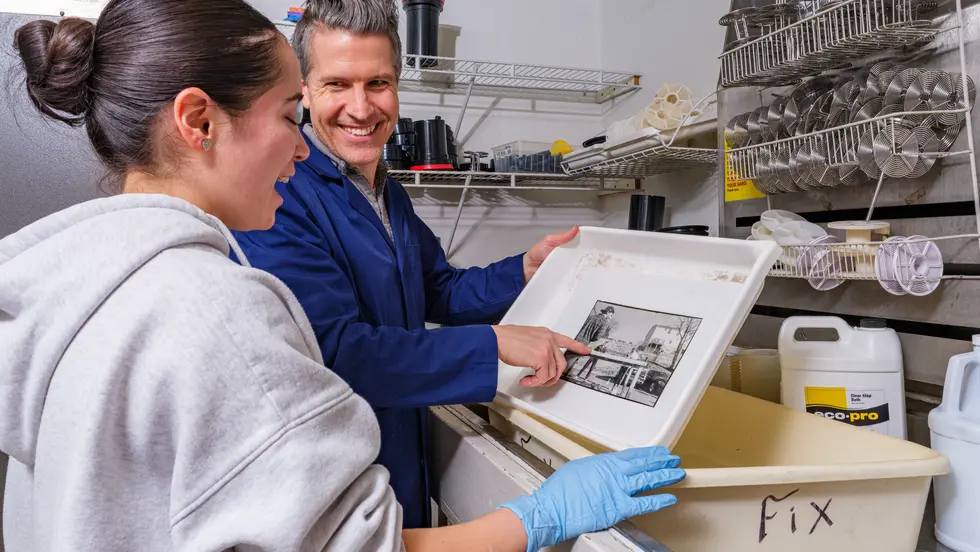
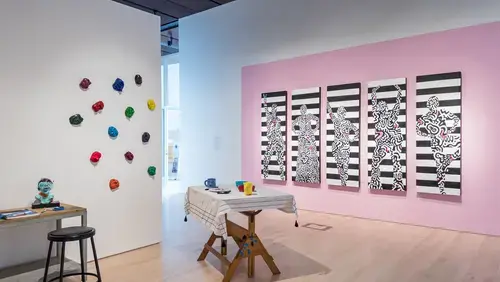
Studio courses engage traditional and new methods of art-making in the process of creating original work. Our studio art majors have developed careers as professional artists, illustrators, photographers and arts administrators. Majors and minors have also found their critical thinking skills highly transferable to fields such as architecture, law, medicine, finance and retail. The areas of study include:
- Digital Media
- Drawing
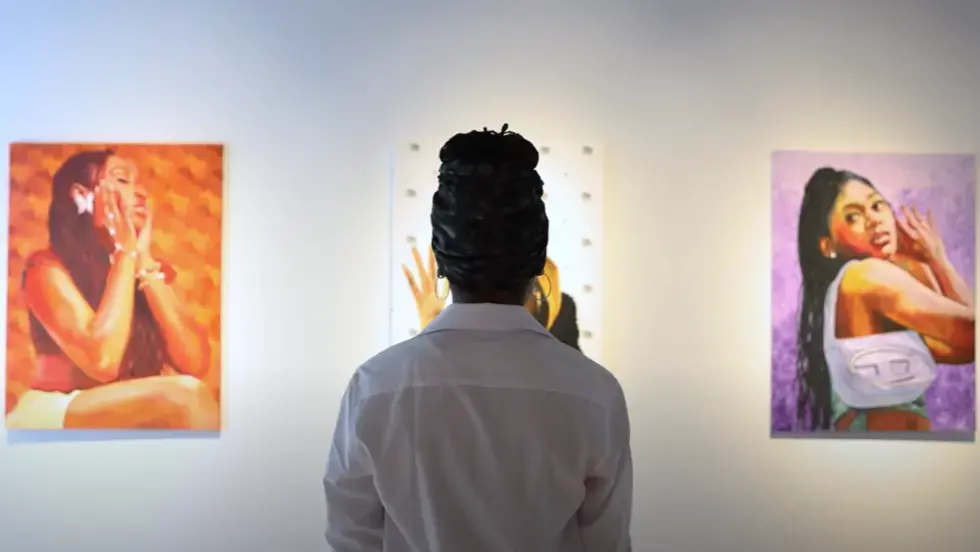
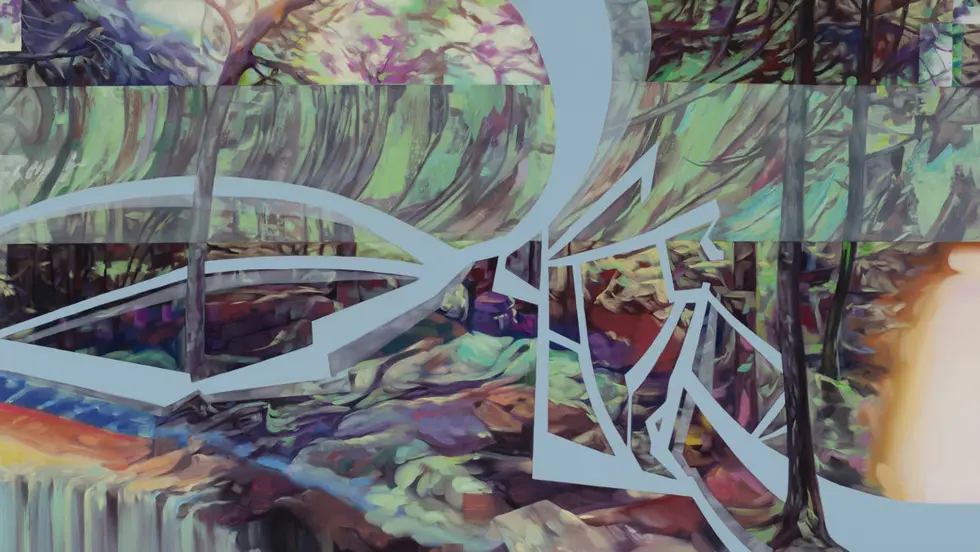
- Painting
- Photography
- Printmaking
- Sculpture
Requirements
Applies to all newly declared majors as of Fall 2026. Existing Studio Majors may choose to opt in if they’ve taken equivalent courses.
Core Requirements (100 Level) - 2 Courses
- VAST 101, Fundamentals of Drawing, or VAST 106, Architectural Drawing or any 199 drawing topics course.
- VAST 102, 3D Fundamentals or any 199 sculpture topics course
Art History Requirements - 2 Courses
- VAHI 210 Art Since 1940
- One additional Art or Architectural History course
Intermediate Studio Requirements (200 level) – minimum 3 courses (expands on skills, introduces independent work)
- Photo 1
- Painting 1
- Digital Art Studio 1
- Drawing; Body as Form
- Cutting Edge, Beyond Collage
- Mixed Media
- 299 Sculpture Topics
- Sculpture 1
- Printmaking 1
- Makerspace Projects
Advanced Studio Requirements (300 level) – minimum 2 courses (expands on skills, introduces new or experimental techniques, focuses on independent work and developing thematic content)
- Photo 2
- Digital Art Studio 2
- New Media
- Advanced Drawing
- Painting 2
- Contemporary Themes of Painting
- Sculpture and Installation
- Printed and Sewn Imagery
- Book Projects
- Darkroom Photography
- Independent Tutorial
Senior Capstone (400 level) – 2 courses, 1st semester required, 2nd semester by permission
- VAST 401: Studio Seminar 1
- VAST 402: Studio Seminar 2
The studio art minor requires a total of six courses, a maximum of 14 courses. These include:
- Fundamentals of Drawing
- 3D Fundamentals
- One art history course
- Three electives in any of:
- Drawing
- Painting
- Photography
- Sculpture
- Printmaking
- Digital Media
Studio art minors are required to participate in the Majors and Minors Review, a department wide critique scheduled once per semester.
Students with extensive previous experience may be allowed to bypass either Fundamentals of Drawing or 3D Fundamentals with a portfolio review by a studio faculty member. In such cases students may move directly into intermediate level courses.
A combined major and minor in either of the department’s two divisions (art history major/studio art minor or studio art major/art history minor) requires the completion of 16 courses: 10 in the major and six in the minor, following the individual requirements listed for the selected major and selected minor. Courses may not be double counted across the two divisions; 16 courses are required for a combined major and minor.
Students with AP credit in art history, studio and drawing are awarded placement in the studio art curriculum. AP credit does not count toward the minimum number of courses required for the majors or minors.
Department Chair

Opportunities
Exhibitions
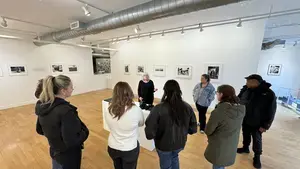
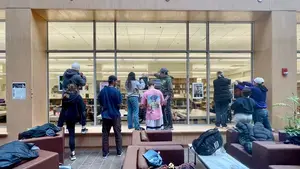
Studio art students have opportunities to exhibit their work in the Ramp Gallery, serving as a multi-functional space for critiques, group exhibitions, and studio art major/minor reviews. In addition, galleries in Fenwick Hall, Prior Art Center, and Hogan Center provide public venues for showcasing student work. Exhibitions in these spaces are curated by visual arts faculty and members of the Student Art Society. Senior studio art majors exhibit their final portfolio in the College’s Cantor Art Gallery. Majors in the history of art and museum studies have the opportunity to curate professional exhibitions as part of a team in curatorial seminars.
Visiting Artists and Excursions
The Department of Visual Arts sponsors many arts enrichment programs. Every semester we host numerous visiting scholars and practitioners addressing a broad array of topics related to both historic and contemporary art and architecture. Most courses in the department make frequent use of our major local art institution, the Worcester Art Museum. In addition, the department organizes regular field trips to major museums, galleries, and sites across the region, including not only Boston but also New York, New Haven, and Hartford.
Community Engagement
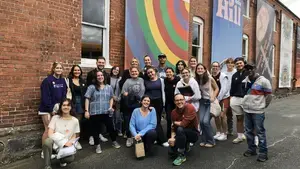
Our students engage the campus and surrounding community by presenting personal and collaborative art exhibits, and by providing tours of local museums and special exhibitions. We also encourage our students to pursue internships in local museums, galleries, preservation agencies and architecture firms. In addition, some of our classes offer community-based learning experiences, encouraging students to engage with the history and people of Worcester in new and meaningful ways.
Student Art Society: Coalition of Creatives
The Student Art Society: Coalition of Creatives is a student-run organization that seeks to provide increased access to enjoy student art on campus through fundraising events, monthly exhibitions and weekly meetings that foster new relationships.
Internships
The rich resources of our region, especially in Worcester and Boston, provide students with many exciting internship opportunities.
Study Abroad
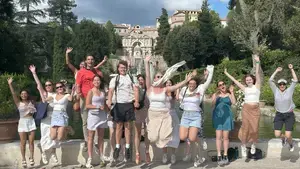
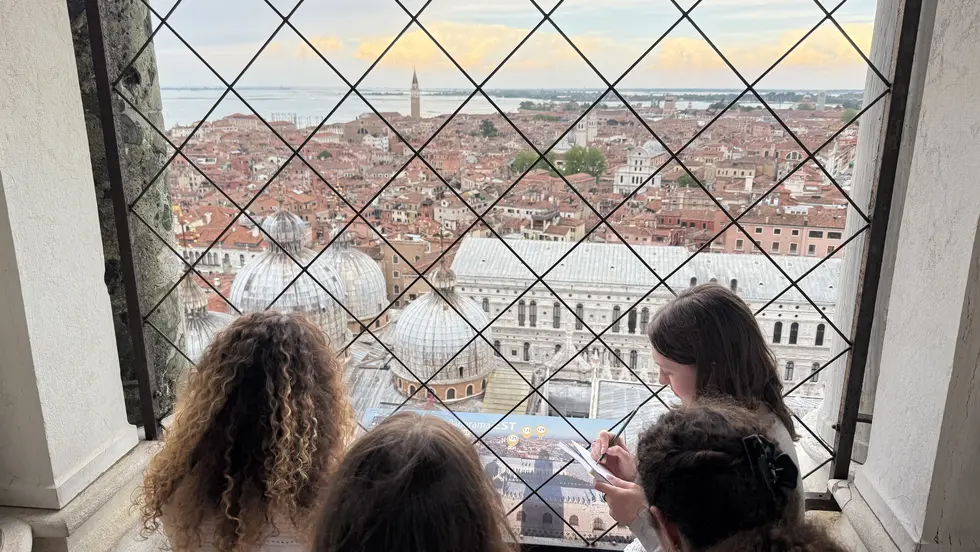
Our students have many opportunities for study abroad programs. Many of our majors have gained valuable new insights by taking studio courses and courses in the history of art and architecture at Siena Art Institute and at Temple University Rome. The Maymester program also offers students intensive four-week courses abroad taught by our faculty. Recent Maymesters taught by Visual Arts faculty include a course on geology and architecture in Rome, and a course on art, architecture, and environmental studies in Venice.
Research
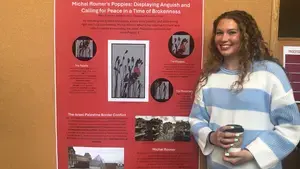
Interested students can apply for summer research opportunities in both the history of art and studio. Our students have also worked with faculty on research projects in coordination with the J.D. Power Center for Liberal Arts in the World.