Center for Inclusive Excellence in Teaching Programming
The Center collaborates closely with our campus partners in our collective commitment to inclusive excellence.
Explore workshops, trainings and events designed to enhance reflective and innovative teaching practices.
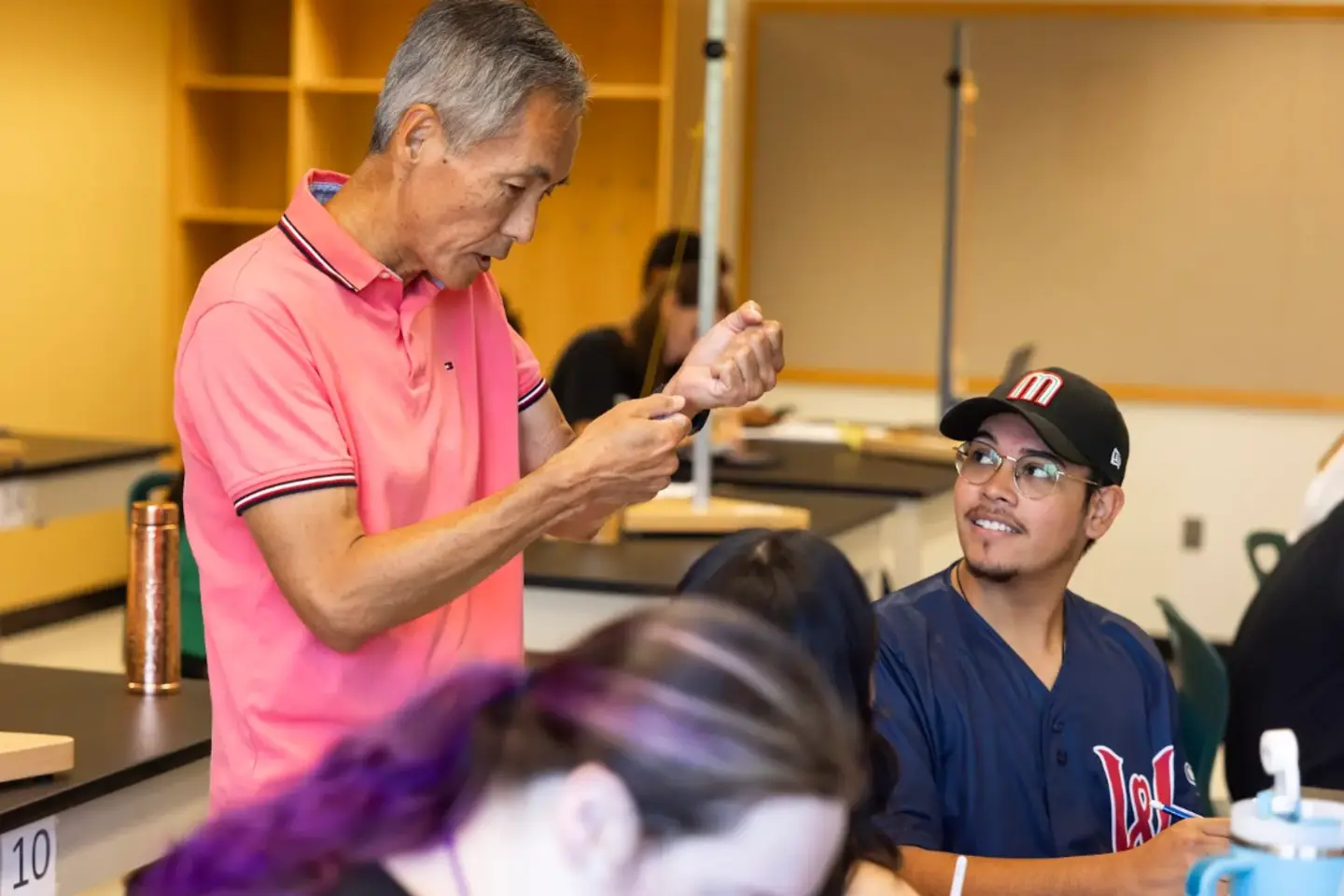
The Center for Inclusive Excellence in Teaching (CIET) Students-as-Partners
Students-as-Partners (SaP) is a pedagogical partnership program in which faculty-student partners collaborate on the revision of a course to create teaching and learning experiences that are inclusive and critically engaging for all students.
Students who have previously taken the course will contribute their experiential perspectives to work with faculty on redesigning course components, and be attentive to the interactions between students and faculty and amongst students.
Facilitated by CIET, the SaP program is designed to foster social justice values through the transformation of courses to enhance learning for all students.
SaP empowers student partners to apply the Ignatian pedagogical process of experience and reflection in the context of their past experiences in the course, toward action to enhance student learning and classroom experience.
In the SaP process, faculty and students contribute equally but in different ways, dismantling traditional hierarchical relationships to learn from each other and explore new approaches through critical, collaborative reflection informed through their diverse perspectives.
Faculty receive a stipend for the semester of their SaP partnership, and a stipend for participation in the 2.5-day summer inclusive course design institute.
Students receive an hourly stipend during the semester of their SaP partnership.
SaP's Impacts
- Empowers students to be actively engaged in contributing to the curricular and pedagogical process.
- Increases engagement, confidence, & sense of belonging to the college, discipline, and community.
- Increases students’ metacognition and self-awareness.
- Enhances student learning and success.
- Students flourish in leadership roles for social equity, co-creating innovative new programs, and scholarly dissemination.
- Students’ identities, backgrounds, and experiences are valued and their perspectives are integrated into the curriculum.
- Students develop skills to work collaboratively with faculty partners and co-develop resources to advance faculty teaching efforts.
- Development of new or enhanced inclusive teaching materials and/or pedagogical approaches..
- Deeper understandings by faculty about teaching and learning to enhance inclusive teaching approaches.
- Increased student engagement and deep learning.
- Enhanced relationship of trust and empathy between students and faculty.
- Diversity of student perspectives and voices enrich the curriculum.
- Increase in faculty sense of belonging.
Reference: Cook-Sather, A., Bovill, C. and Felten, P. (2014) Engaging students as partners in teaching and learning: A guide for faculty. San Francisco: Jossey-Bass.
Students-as-Partners Inaugural Cohort 2026-2027
Embodied, Reflective Inquiry
Professor Jimena Bermejo (Department of Theatre & Dance) and Student Owen Searl (2029, Undeclared)
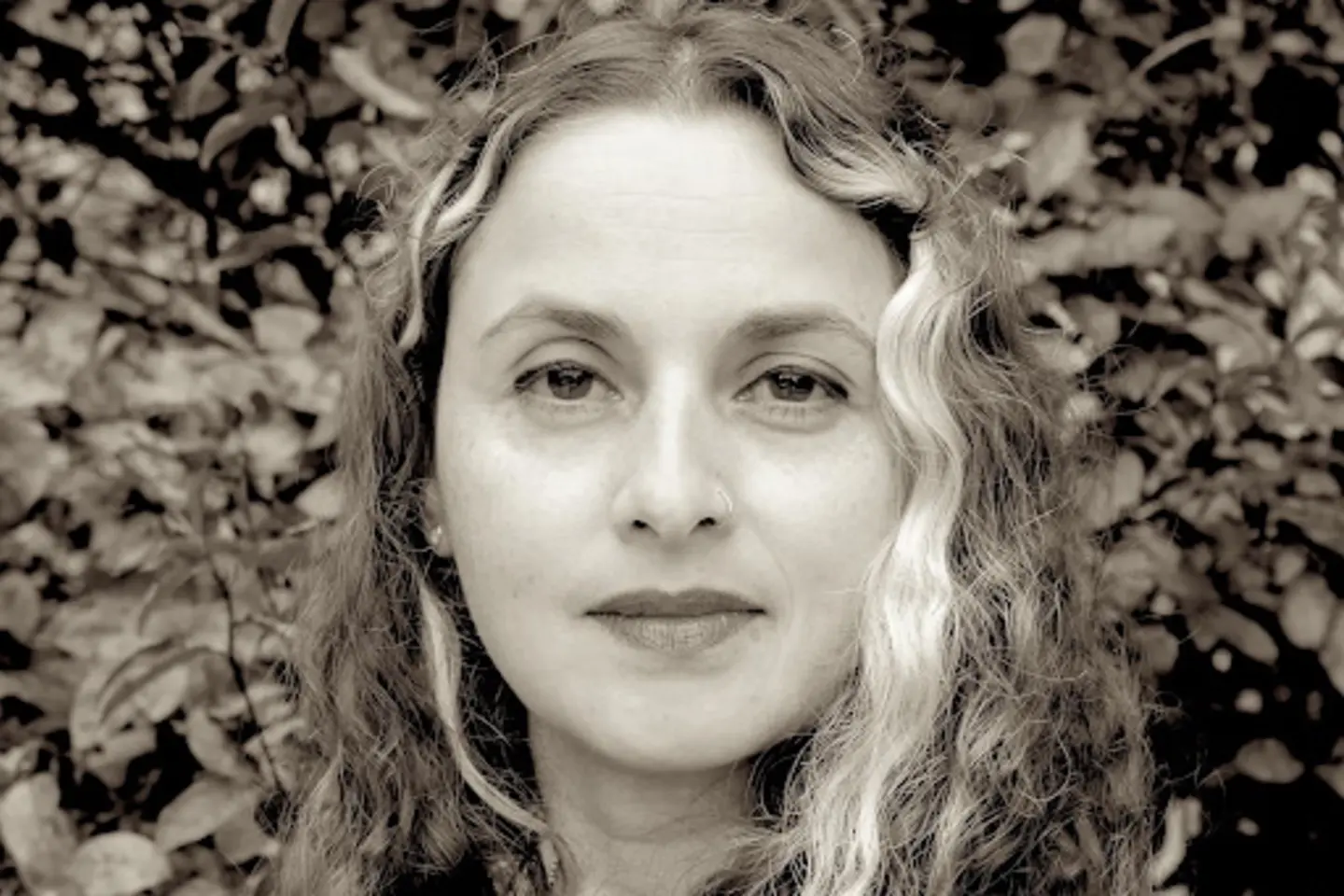
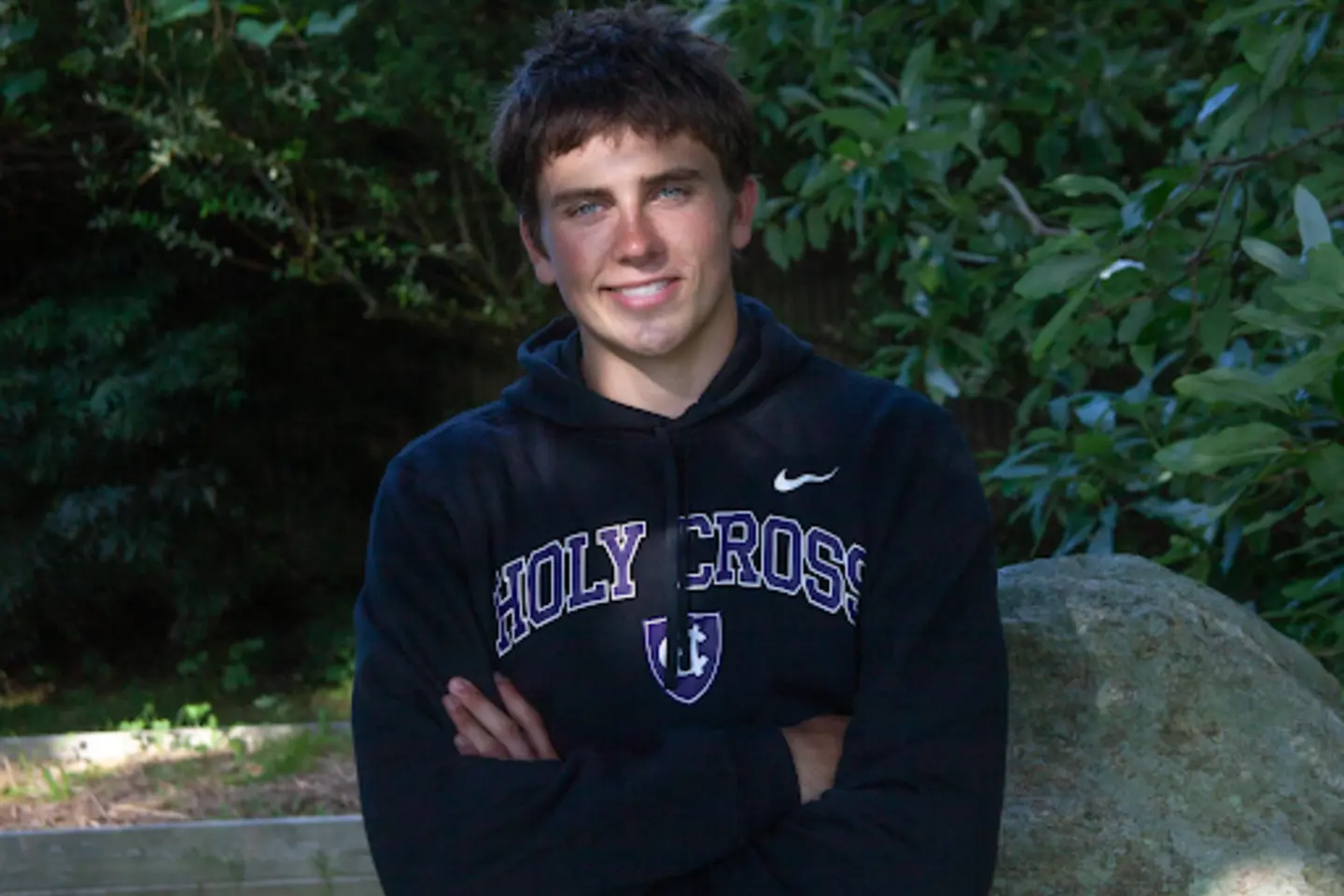
Faculty member Jimena Bermejo and student Owen Searl will collaborate to revise and strengthen a movement-based Montserrat seminar titled Bodies in Motion. Building on the course’s first iteration, they will focus on improving student engagement and scaffolding for reflective/embodied inquiry, strengthening classroom climate and group work structures, and refining assessment methods. They will also redesign the course as a two-semester experience, developing a second-semester (“Bodies in Community”) with a community-based learning component. Their goal is to co-develop concrete, student-informed course materials and structures that make the course more accessible, supportive, and meaningful for a wide range of first-year students.
Inclusive Participation Structures in the Classroom
Professor Marat Iliyasov (Political Science Department) and Student Julia Gamitto (2029, Political Science)
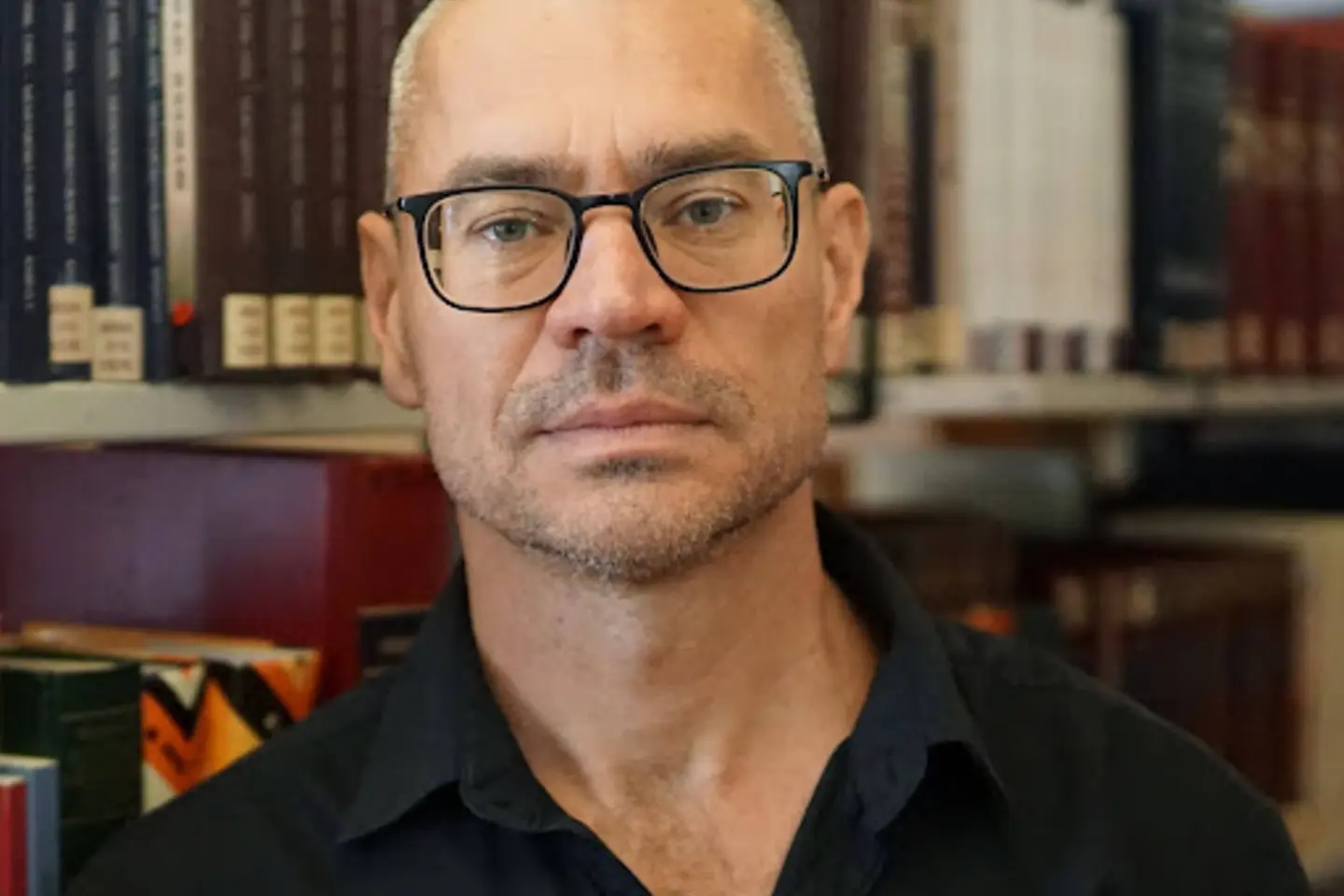
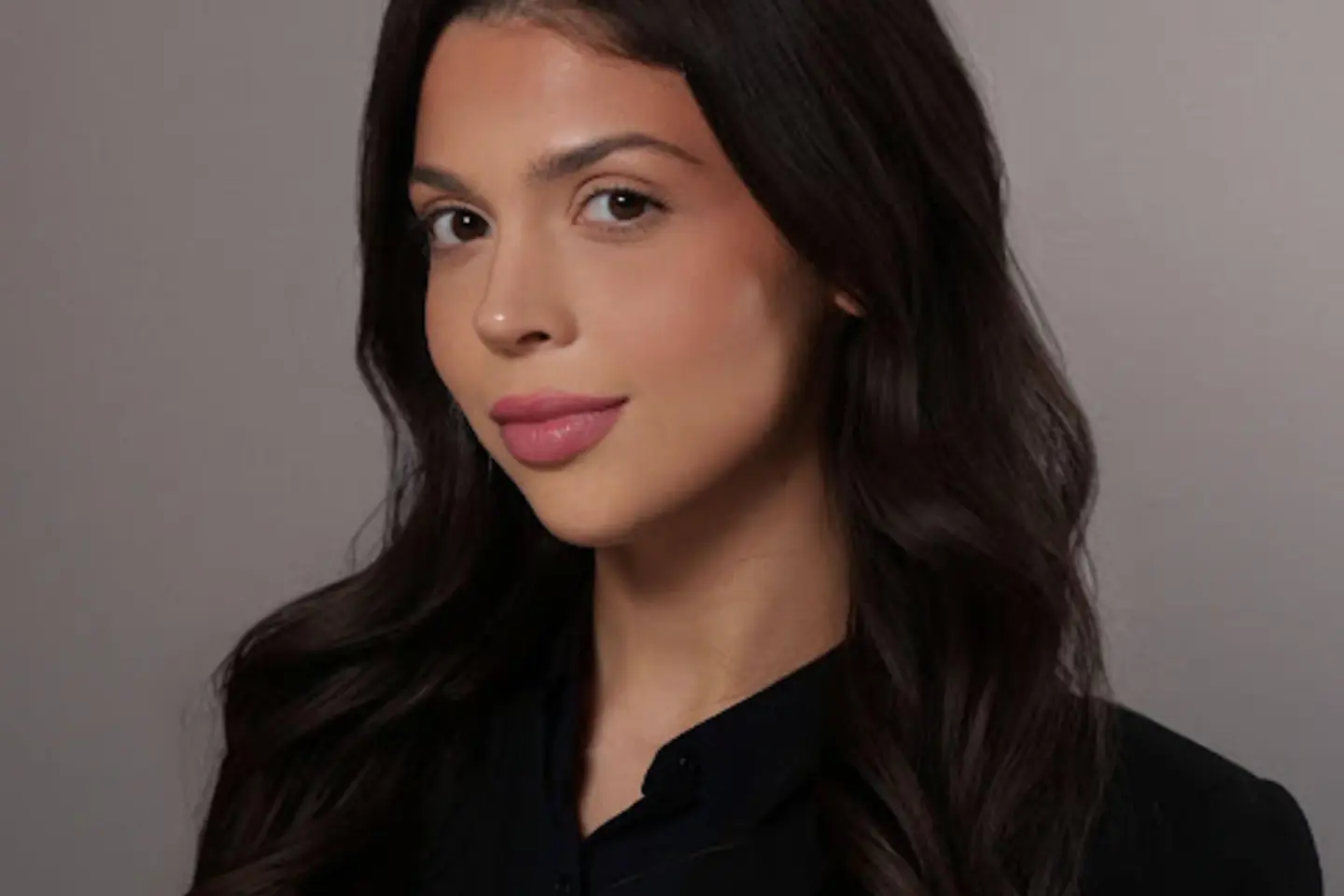
Faculty member Marat Iliyasov and student Julia Gamitto will focus on improving classroom climate and enhancing inclusive teaching. They plan to analyze which approaches and activities help build psychological safety for students and how to ensure a positive experience in discussions. They also plan to create participation structures that bring “silent” students into the conversation without letting a few voices dominate. In addition, they will consider clarifying mechanisms that allow instructors to use cold-calling or other techniques to invite quieter students into the conversation without intimidation.
Social Statistics in Our Everyday Lives
Professor Daina Harvey (Department of Sociology & Anthropology, Department of Environmental Science) and Student Justice Jackson (2027, Sociology & Psychology)
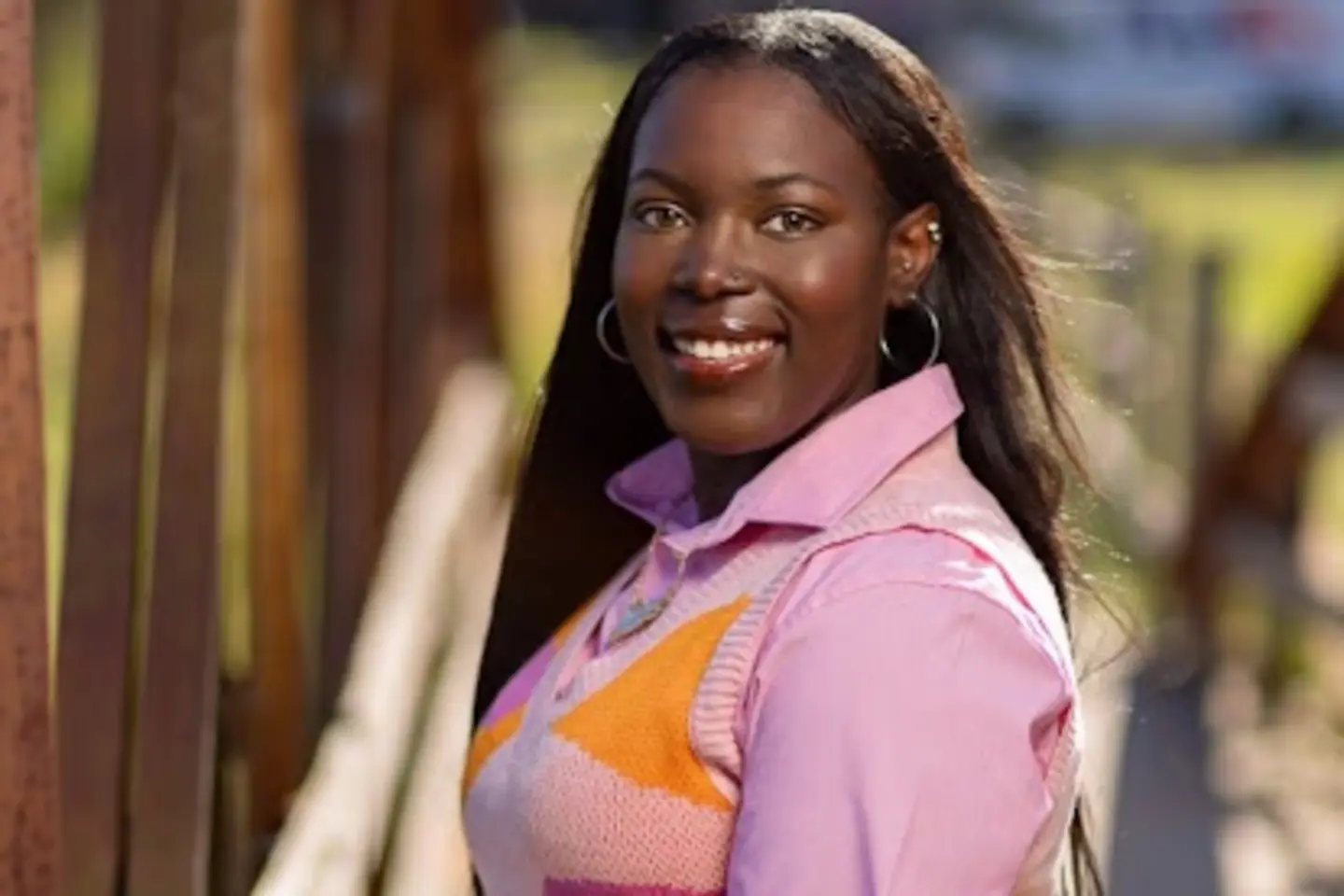
Faculty member Daina Harvey and student Justice Jackson’s project focuses on how to make social statistics more relevant to the everyday lives of students. In particular, they are interested in the question: how can we mitigate anxiety over how to solve statistical equations, and instead, emphasize the utility of statistics for critically understanding and making claims with quantitative data.
Recent Lunch & Learns
Professor Jessica Marchi, World Languages, Literatures, and Cultures
Faculty discussed the challenges that both teachers and students face in preparing for the transition to college, specifically through the lens of world language instruction. Jessica Marchi discussed common practices in high school vs. Holy Cross's world language model and how we can support our students in accessing the curriculum and meeting the expectations of language immersion courses. Faculty explored how to embed important concepts of identity, intersectionality, and voice, and how they impact incoming freshmen.
Professor Ryan Mruczek, Neuroscience
Ryan Mruczek shared a self-assessment and reflection assignment he used across multiple neuroscience courses, in which students evaluate and grade their own submissions. The assignment directly supports a course objective focused on metacognitive reflection; participants learned how the activity was implemented and students’ feedback on its utility.
Faculty Reading Group Program: Exploring Novel Interdisciplinary Insights on Inclusive Teaching
Faculty Reading Groups (FRG) explore the pedagogy of inclusive excellence in a chosen topic area through critical analysis of the literature and other resources. The FRG is a peer learning community, organized and facilitated by faculty who are interested in engaging in critical discourse and synthesis with faculty and staff colleagues who bring an interdisciplinary breadth of insights to the topic of exploration. The pedagogical insights and resources developed over the course of the FRG monthly meetings are shared with the Holy Cross community at the spring Faculty Reading Group Public Lunch Forum.
Spring 2026 Faculty Reading Groups
Led by Professor Elizabeth Knott, this group explored concepts from the book Your Brain on Art by Susan Magsamen and Ivy Ross. Participants engaged with ideas that connect art and neuroscience to enhance educational practices. The participants in this group were: Elizabeth Knott (Classics), Mary Ebbott (Classics), Mary Conley (History), Bridget Franco (Spanish & Montserrat), Rachelle Beaudoin (Visual Arts), Stephanie Yuhl (History), Jennifer Whelan (Library), Anna-Lisa Norman (Center for Writing), Leslie Schomp (Visual Arts), Gregory DiGirolamo (Psychology), Lauren Szumita (Cantor Art Gallery), Ann Marie Leshkowich (Sociology & Anthropology), and Schuyler Whelden (Music).
Led by Professor Jesús Madrid, this group focused on understanding the importance and practice of inclusive teaching in biology from Richard Prum's book Performance All the Way Down. The participants in this group were: Jesus Madrid (Neuroscience), Jad Nasrini (Psychology), Harshada Sant (Biology), Alo Basu (Neuroscience), Julia Paxson (Biology), Daniel Bitran (Psychology), and Laura Wilson (Library).
Recent Workshops
This introductory workshop provides an overview of the foundational concepts of inclusive course design and pedagogy. Participants who are new to teaching learn how to apply these processes to design engaging courses that are transparently aligned with learning goals to support deep learning. Participants with significant teaching experience gain new interdisciplinary insights informed by the scholarship of teaching and learning.
This workshop guides participants to formulate a values-based approach in preparation for challenging dialogues and discussions as part of the ongoing development of their course and their learning environments. Participants learn about the pedagogies of discussion, and how to develop strategies for managing and responding to challenging conversations.
It is of paramount importance to cultivate inclusive and engaging learning environments throughout the entire online course experience. The process of designing and teaching online courses is markedly distinct from in-person courses. This workshop guides faculty in developing intentionally structured learning experiences for students in their online courses. Workshop topics included:
- Intersection of course design, pedagogy, and community
- Mapping your syllabus: Course storyboard template
- Applying an online learning potential rubric to your course
- Cycles of assessment
- Active learning planning
New and continuing Montserrat faculty are guided in centering student learning in the context of the first year course journey. The workshop provides an integrative approach to considering the situational factors that impact students’ learning experiences and how they can be intentional in designing course activities and pedagogical approaches to scaffold learning as students learn about themselves and about others during the first year transition.
Faculty Liaison Network
Every academic department is represented by a Faculty Liaison (FL) to regularly communicate their department's teaching interests or needs to CIET. FLs also keep their department colleagues apprised of CIET events, programs, and services. FL network meetings provide opportunities for cross-departmental exchange on teaching and learning, and the identification of shared needs or potential collaborations.
-
-
-
Dominic Machado
Associate ProfessorAreas of Expertise Roman history and historiography, Particularly collective action, Dissent and resistance in the late Republic and early Empire -
Kun Huang
Assistant ProfessorAreas of Expertise Transnational approaches to race, Asian culture and media, cultural politics of translation, global Afro-Asia -
-
Jeremy Murphy
Assistant ProfessorAreas of Expertise Teachers’ Professional Lives, History of the Teaching Profession, Complexities of Teaching, School Reform and Change -
Leila Philip
Professor, Rev. John E. Brooks, S.J. Chair in the HumanitiesAreas of Expertise Creative Writing / Non-fiction, Poetry and Journalism , Leila Philip is represented by Miriam Altshuler, Altshuler Literary Agency -
Jordan Lovejoy
Assistant ProfessorAreas of Expertise Folklore, Environmental Narratives, Environmental Anxiety, Expressive Culture, Appalachia -
Justin Poche
Associate ProfessorAreas of Expertise Catholicism in the U. S. United States History, 1865-Present; American Religious History; Latin American History; U.S. Latino/a History -
Sharon Frechette
Associate ProfessorAreas of Expertise Number Theory, Modular Forms, Algebraic combinatorics, Elliptic curves -
Hayley Stefan
Montserrat Lecturer, English LecturerAreas of Expertise Multi-ethnic Literature of the United States; Digital Humanities; Disability/Mad Studies; Young Adult Literature -
Jacqueline (Lin) Georgis
Assistant ProfessorAreas of Expertise Luso-African culture and music; African popular music; migration; electronic dance music; urban youth culture -
-
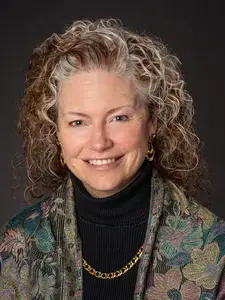
Kendy Hess
Brake-Smith Associate Professor in Social Philosophy and Ethics, Philosophy Department ChairAreas of Expertise Ethics; Applied Ethics (Business, Professional, and Environmental); Capitalism, Ethical Action in the Workplace, Environmental Philosophy, Metaethics, Metaphysics, Nietzsche, Political Philosophy, Philosophy of Mind -
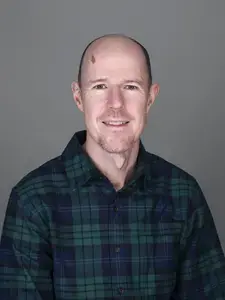
Paul Oxley
Associate Professor, Department ChairAreas of Expertise Experimental atomic physics: Ion-atom collision studies, specifically experimental studies of charge transfer collisions with applications to astrophysical and fusion plasma research. Laser spectroscopy of highly-excited atoms for tests of the theory of quantum electrodynamics. -
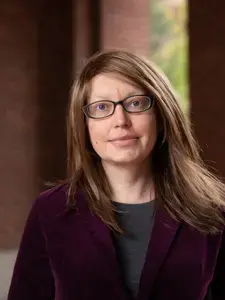
Nina Barzachka
Assistant ProfessorAreas of Expertise European political parties, EU politics, International Relations -
Daniel Bitran
Psychology Department Chair, ProfessorAreas of Expertise Behavioral neuroscience, psychopharmacology and biological psychiatry; role of science and medicine in the Holocaust. -
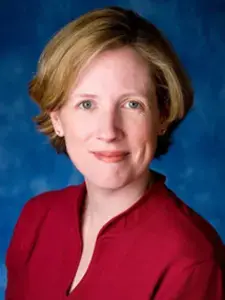
Mary Roche
Professor, Culture Shift LeadAreas of Expertise Catholic moral theology and social teaching, Christian ethics, virtue ethics, bioethics, feminist ethics -
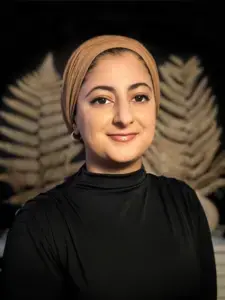
Inaash Islam
Assistant ProfessorAreas of Expertise Gender & Sexuality, Race & Ethnicity, Critical Muslim Studies, Anti-Muslim Racism, Islamic Feminism, Cultural Sociology -
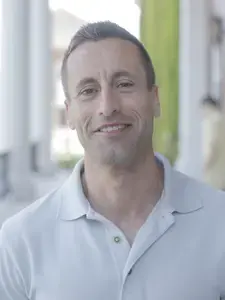
Josep Alba
ProfessorAreas of Expertise Spanish linguistics (synchronic and diachronic approaches), Romance philology (Spanish, Catalan and Italian), Syntax (collocations, Light verb constructions, noun predicates, argument structure), Diachronic Construction Grammar; applied linguistics (Spanish as a second language, curriculum design and development, teacher training) -
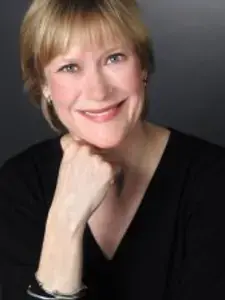
Lynn Kremer
Distinguished Professor of Humanities, Interim Department ChairAreas of Expertise Acting & Voice, Asian Theatre, Devised Theatre -
-
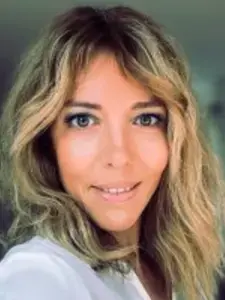
Giusy Di Filippo
Assistant Professor, Italian Studies Program Director